Hair relaxer lawsuits protect more than just Black women
While the majority of the plaintiffs in the hair relaxer cases are Black women, what happens in the courtroom is relevant to all of us.
Claims arising out of exposure to harmful chemicals in hair relaxer products.
While the majority of the plaintiffs in the hair relaxer cases are Black women, what happens in the courtroom is relevant to all of us.
Morning y’all. Your Oct. 16 update: New Georgia Project closing its doors, ICE ad blitz, sidelining World Cup vendors and more.

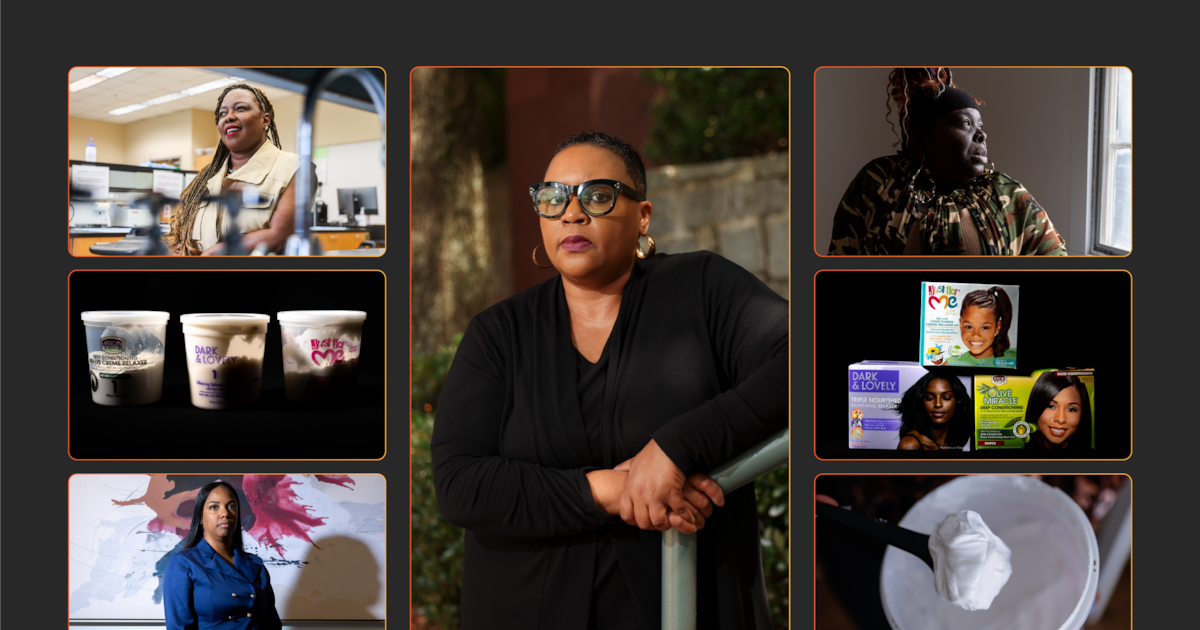
Georgia women are among the hundreds of plaintiffs who allege cancer or fibroids from hair relaxers. Beauty brands deny their products are toxic.
The company — known as AmerisourceBergen Corp. until 2023 — has reaped billions from opioid sales. Also in opioid-related news: overdose rates of older, Black men in Minnesota. Other public health news is on human hair's role in dental care, air pollution from EV charging stations, and more.


Experts weigh in on toxic chemicals found in braiding hair, whether regulations should be more strict, and if the findings are valid for concern.

For generations, Black women have been put at risk by a hair care industry that evades regulation. But is change on the way? Plus: the history of Black US postal workers
/cloudfront-us-east-2.images.arcpublishing.com/reuters/N5JLL67A3VJU3F5223Z3MDGA3U.jpg)
A federal judge on Monday allowed the majority of claims to move forward in sprawling litigation that claims chemical hair relaxer products made by L'Oreal USA, Revlon and others cause cancer and other injuries.

Thousands of Black women claim hair relaxers gave them cancer

Researchers explain new data showing a link between hair relaxers and high rates of cancer and infertility in Black women. Several lawsuits have emerged after many have gotten sick.

Research claims to show link between cancer and lye-containing products largely used by black women
If you believe you have a legal claim, fill out the form below. This is for demonstration purposes only.
PROVIDING YOUR INFORMATION DOES NOT ESTABLISH AN ATTORNEY-CLIENT RELATIONSHIP AND YOUR INFORMATION MAY BE SHARED WITH A DIFFERENT LAW FIRM WHO MAY CONTACT YOU.