Trump Administration's Glysophate Position tearing apart MAHA movement.
Trump Administration's Glysophate Position tearing apart MAHA movement.
For months, the "Make America Healthy Again" (MAHA) movement—championed by Secretary of Health and Human Services Robert F. Kennedy Jr.—has been a cornerstone of the national conversation. Its mission seemed clear: purge the American food supply of "extraordinarily toxic" chemicals and address the root causes of chronic disease.
But in early 2026, a major policy shift sent shockwaves through this coalition. President Trump’s recent Executive Order invoking the Defense Production Act to prioritize the production of glyphosate (the active ingredient in Roundup) has created a sharp divide between the administration's national security goals and the MAHA movement's health-first rhetoric.
The MAHA Backlash: "A Direct Assault"
For the MAHA movement, this isn't just a policy disagreement; it's a perceived betrayal. Throughout 2025, RFK Jr. and health advocates like Vani Hari (The Food Babe) painted glyphosate as a "central villain" in the American health crisis.
The reaction from the MAHA base has been swift and fierce:
Betrayal of Promises: Supporters who voted for a "chemical-free" food supply see this as a pivot back to "Big Ag" interests.
The Health Argument: Activists point to studies, such as the 2025 Mandrioli report, which found significant increases in malignant tumors in animal subjects even at "safe" doses.
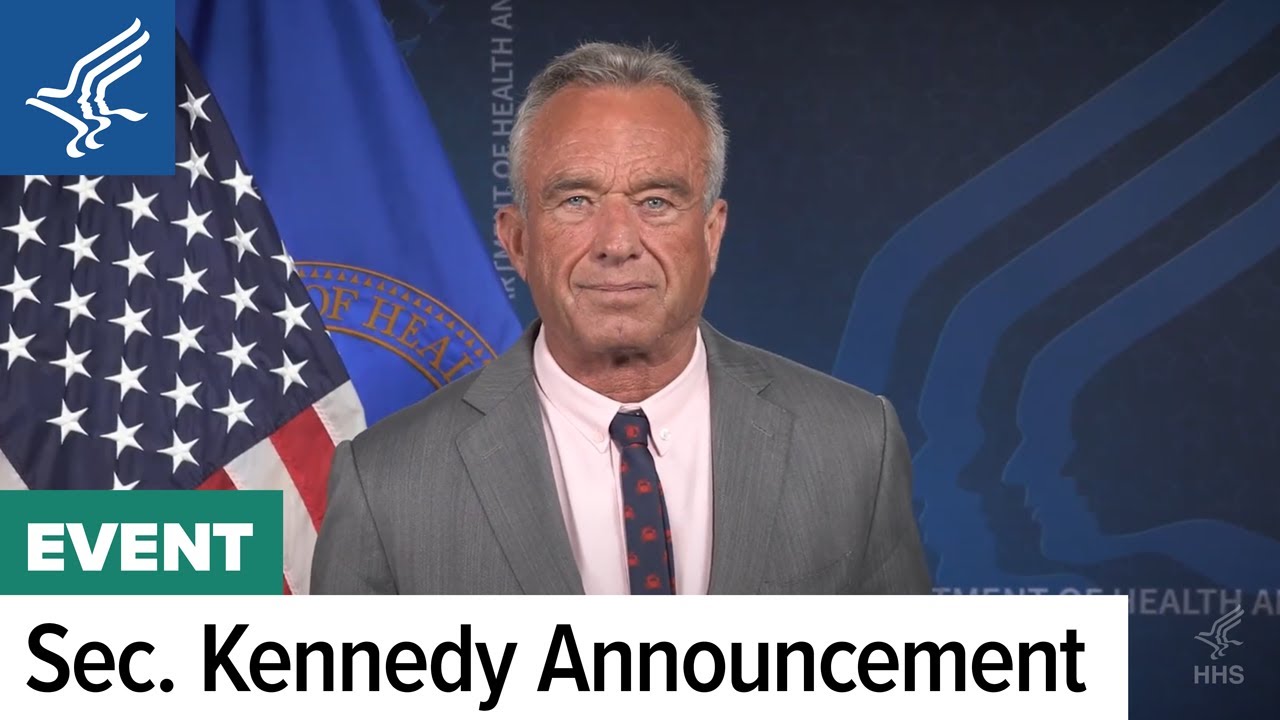
The RFK Jr. Dilemma: Secretary Kennedy now finds himself in a difficult position. While he has historically called glyphosate "mass poisoning," he recently signaled support for the Executive Order, citing the need to "safeguard America's national security first."
The Supreme Court is set to hear oral arguments in Monsanto v. Durnell on April 27, 2026. That ruling—combined with the EPA's pending safety reevaluation—will likely determine the future of Glysophate in our foods.
Discussion
Loading comments...